

Why pressure backfires
Why coaxing and bribing don't work
Children are very good at noticing when adults want something from them. When a meal turns into a negotiation, food becomes a battle rather than something to enjoy.
Bribes
"Eat your broccoli and you can have pudding" teaches children that broccoli is the price and pudding is the prize.
Praise for eating
Heavy praise for eating can turn meals into a performance, and some children push back.
"Just one more bite"
Pushing past fullness teaches children to ignore their own body signals.
Clean-plate rules
Rules about finishing food make mealtimes tense and can make children more wary of new foods.
Clear roles
You provide. They decide. Everyone knows the job.
This split of responsibility, developed by feeding expert Ellyn Satter, takes the fight out of mealtimes.
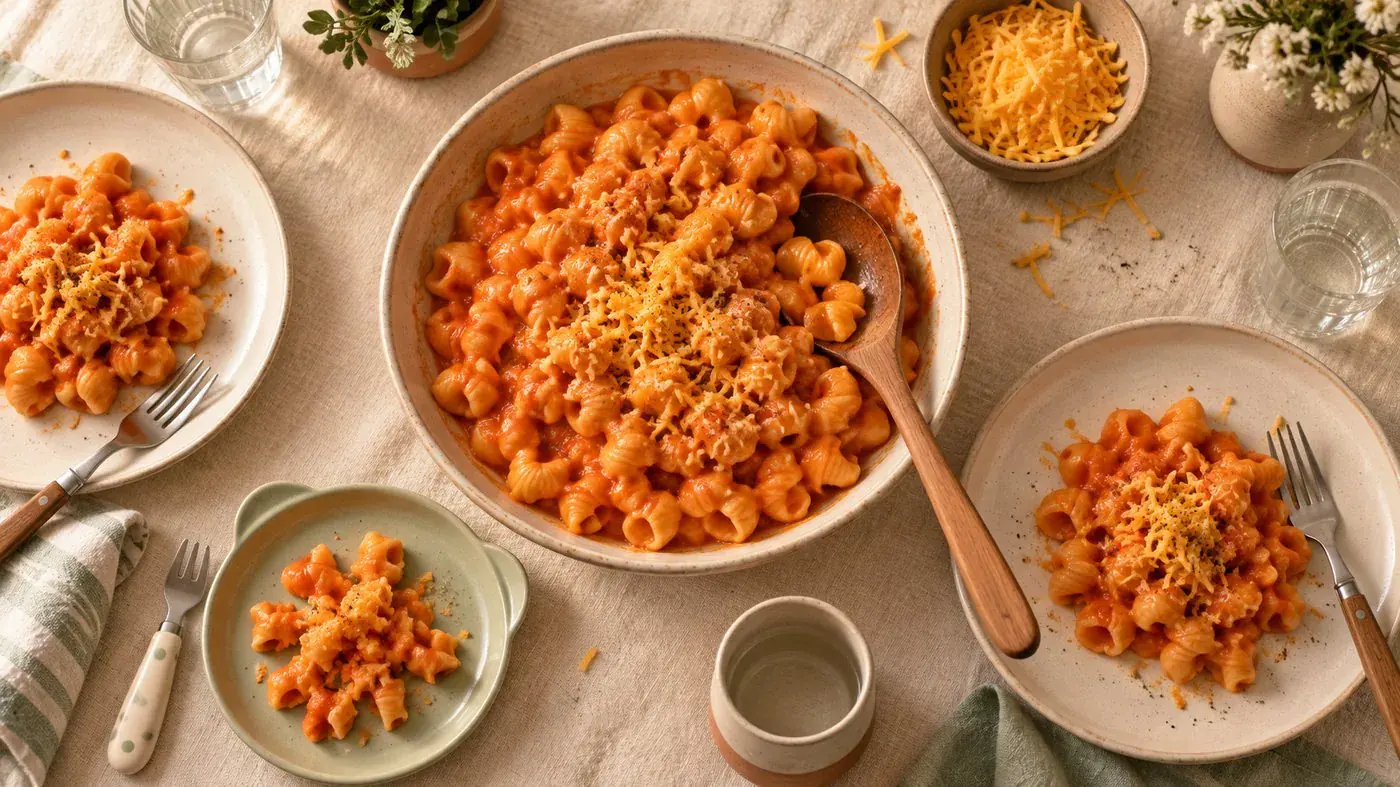
The parent's job
- Choosing what food to offer
- Deciding when meals and snacks happen
- Deciding where food is eaten
- Making mealtimes pleasant
The child's job
- Deciding whether to eat
- Deciding how much to eat
- Choosing from what is offered
- Listening to their own hunger and fullness
This does not mean anything goes. Your child cannot order a different dinner. It means that within the meal you have chosen, they are in charge of their own body.
Setting up the meal
Small servings, short meals, calm exits
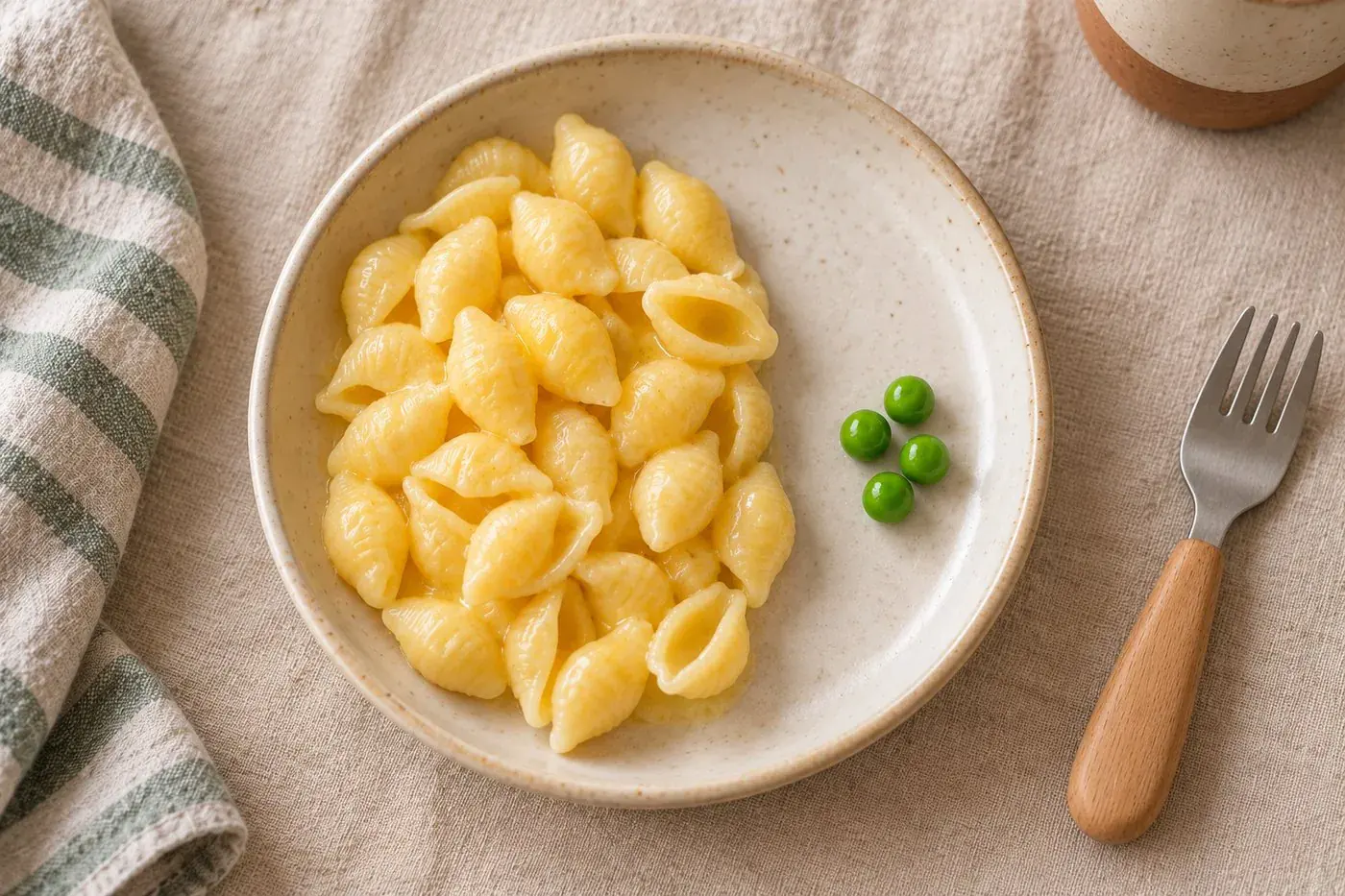
- Serve small portions
A small amount of each food looks manageable. Your child can always ask for more.
- Include a safe food
Put one food your child usually eats on the table, such as bread, rice or fruit, so there is always something they can fill up on.
- Serve family-style when you can
Put dishes in the middle and let children help themselves, with help. It gives them a sense of control.
- Keep meals to about 20 to 30 minutes
Long meals tend to become battles. When the meal ends, the food is cleared without comment.
- Let them leave calmly
When your child says they are done, accept it. The next food is at the next planned meal or snack.
What about pudding? If you serve dessert, try offering it without conditions, sometimes alongside the meal. When pudding is not a reward, it loses its power as a bargaining chip.
Words that help
Say less about food, more about everything else
Try saying
- "You don't have to eat it."
- "Is your tummy full, or still hungry?"
- "What was the best part of your day?"
- "You can have more rice if you want."
Try to avoid
- "Good girl for eating your peas!"
- "No pudding until you finish."
- "Just try it, for me."
- "Look, your sister ate all hers."
A quieter table
Why screens and toys stay away from meals
Tablets and TV at the table can help a meal go faster, but they take attention away from food and from each other. Children who eat while distracted are less aware of their hunger and fullness, and miss the chance to watch others eat. The AAP recommends keeping mealtimes screen-free for the whole family.
Eating together, even for part of the meal and even if you are only having a cup of tea, gives children a model to copy.
Common stuck points
When it isn't going to plan
| What happens | What to try |
|---|---|
| They only eat the safe food | That is fine. Keep serving the other foods alongside it without comment. Exposure still counts. |
| They ask for a different meal | "This is what's for dinner. You can eat what you like from the table." Stay calm and kind. |
| They are hungry an hour later | Offer the next planned snack a little earlier, rather than a special meal. |
| Grandparents use bribes | Share this guide and one or two phrases you use, and ask them to try it for a couple of weeks. |
| Meals drag on for an hour | Set a gentle end: "When the timer rings, dinner is finished." |
If your child eats only a handful of foods, see what to do when your child eats four foods.
When to call your doctor instead of holding the line
A calm, pressure-free approach suits most children. Talk to your GP, health visitor or paediatrician if your child:
- is losing weight or not growing as expected
- often gags, chokes or vomits while eating
- eats a very small range of foods that keeps shrinking
- seems very anxious or upset about food
- has pain, constipation or other symptoms linked to eating
FAQ
Common questions
Won't my child just eat nothing?
Some children eat very little for a few meals while they test the new approach. Healthy children do not usually let themselves go hungry for long. Keep regular meals and snacks, and look at the week rather than the day.
Is it okay to praise my child at meals?
Yes, but praise things other than eating, such as sitting well, trying to use a fork or telling you about their day. That keeps the focus off food.
How long before I see a change?
Many families notice calmer meals within a couple of weeks. Wider eating usually takes longer, often months, so be patient and consistent.
Can I still ask my child to try something?
You can invite, for example "It's there if you want some", but try not to push. Children are more likely to try food when they feel it is their own choice.
Sources
Where this guide comes from
- American Academy of Pediatrics (HealthyChildren.org): Picky eaters
- World Health Organization: Infant and young child feeding
- NHS: Fussy eaters
- Ellyn Satter Institute: The division of responsibility in feeding
- American Academy of Pediatrics: Family media plan
This guide is general information, not medical advice. If you are worried about your child's eating, growth or health, speak to a qualified professional.
The more you bundle, the more you save.
Add ebooks to your cart and the discount applies automatically at checkout - no code to remember, mix and match any titles.
Pick any two ebooks and the discount is applied automatically in your cart.
Build a fuller shelf and the discount steps up - still no code needed.
Add a fourth ebook to your cart and one of them is on us.
Bundle pricing is calculated from the ebooks in your cart at checkout - the discount or free ebook is applied automatically once your cart qualifies.